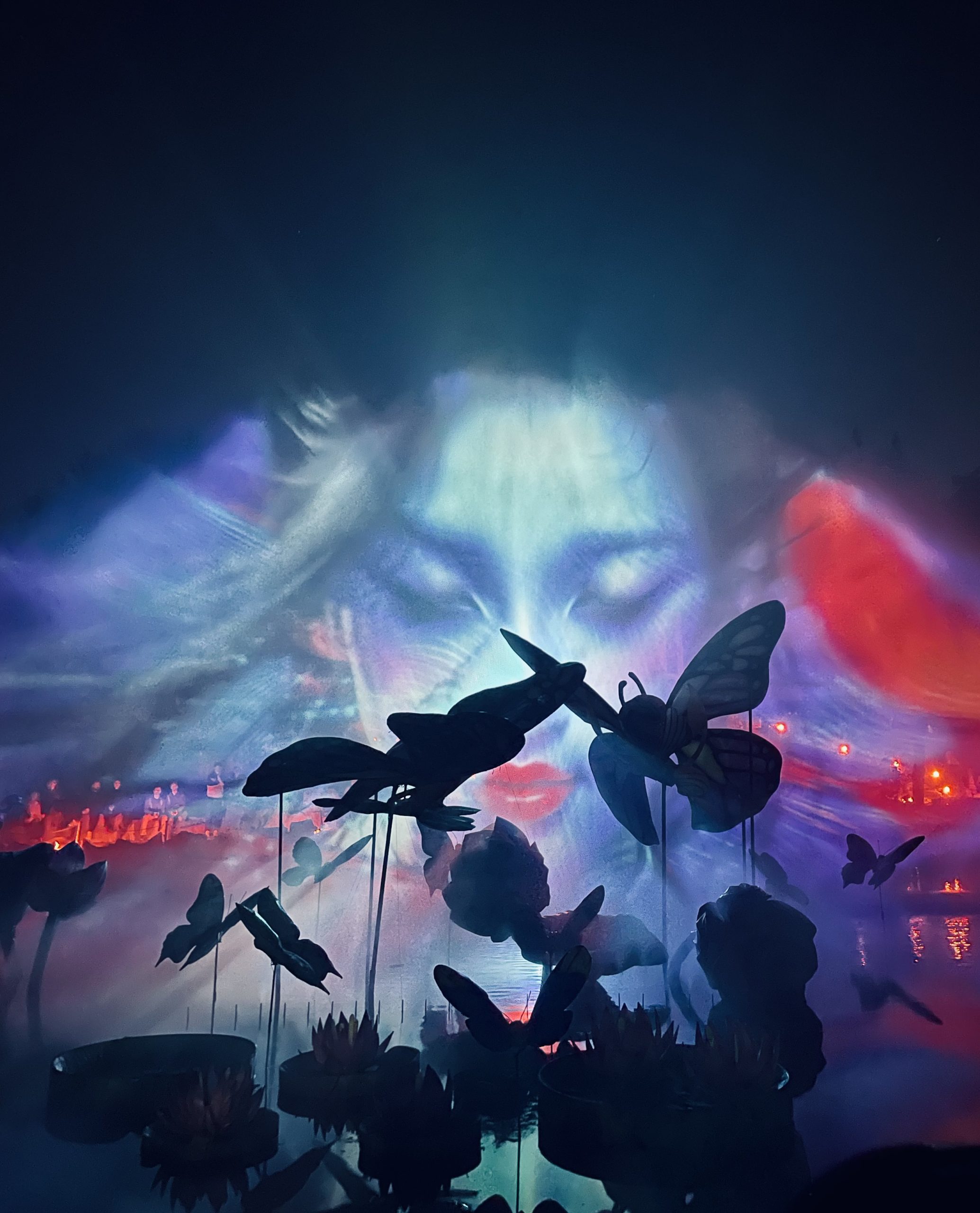
“I fight pain, anxiety, and fear every day, and the only method I have found that relieves my illness is to keep creating art” – Yayoi Kusama
“Making art is like giving a gift: evidence of your spirit and that you are here” – Patty Mitchell
“Art opens the closets, airs out the cellars and attics. It brings healing” – Julia Cameron
“We are ALL creative, every one of us” – Shaina
My first blog post had to be about creativity. It just did.
I’ve been in my full-time private therapy practice for over four years now, and during that time I’ve seen it grow and shift. The number of clients participating in art-making has fluctuated, and I found myself starting to lose sight of the incredible healing power of art-making done within a therapy session.
So, I recently turned my energy back toward the art part. I’ve recommitted to the promotion and practice of art therapy—and it feels really good.
I believe in the power of art therapy with all my heart. Overcoming adversity, building resilience, and learning deep self-compassion—these are, in fact, all creative processes. Those well-worn neural pathways? We don’t have to choose them again and again. We can make different choices, choose better-feeling thoughts, and grow more curious about what real change feels like.
Although I had some artistic practices throughout my life, I didn’t develop a long-term creative hobby until I started painting at age 35. I got hooked—and over a decade later, I’m still painting. Other creative hobbies have blossomed during this time as well.
When these practices fall away for a while—as they inevitably do during periods of stress (or fun!)—I notice my mental health takes a dip. Believe me, I’m in the trenches with this stuff too. That said, I’ve set myself up in a career that offers a good amount of autonomy, freedom, and free time, which does support my ability to maintain a creative practice. I know how hard it can be to summon the energy and courage to make art and survive in the world we currently live in.
In an art therapy session, there may be only 5 to 10 minutes of art-making. But that small window can be a powerful way to start, return to, or reinvigorate a creative practice. And it doesn’t have to be about making “art” in the traditional sense—it’s an investigative and exploratory process.
I believe that the best kinds of therapy help clients remember that they are the experts in their own healing. Art-making allows us to tune out the noise and drop into ourselves. It can also reconnect us to our senses.
The first few art prompts I offer clients in session are particularly focused on engaging with their senses—both through memory and present-moment mindfulness. When we can remember to consistently check in with our senses, listen closely to the whispers of our bodies, overthinking ends being way less of an issue.
There’s so much more to say about the benefits of incorporating art-making into therapy, but I’ll leave it here for now.Just remember this: you are creative. You just are. And remembering that—and living it—could be a truly magical key to a door. What lies behind that portal? Let’s find out!